Furnace short cycling means the furnace turns on and shuts off after only a few minutes, over and over, before the home reaches the set temperature, and it usually points to an airflow, overheating, flame sensing, thermostat, or sizing problem. For homeowners in Philadelphia, PA, and nearby communities, this rapid cycling leaves rooms chilly while driving up utility expenses during the coldest winter months. Understanding what triggers these interrupted cycles helps you identify whether a simple maintenance step or professional furnace services will resolve the issue.
Under normal operating conditions, a heating system runs a steady cycle that warms the entire living space until it reaches the thermostat setting. Once the indoor air hits that target temperature, the equipment powers down and rests until the house gradually cools. A short-cycling furnace cuts off too soon, leaving cold spots and restarting too often to maintain balanced indoor warmth.
Common Furnace Short Cycling Causes
Several distinct mechanical faults and airflow blockages can produce identical symptoms in a residential heating system. Because furnace short cycling can be triggered by an overheated heat exchanger, a faulty sensor, or an electrical glitch, diagnosing the exact trigger requires careful inspection. Scheduling professional HVAC service in Philadelphia lets a licensed technician accurately identify the underlying cause.
Why Is My Furnace Short Cycling?
Homeowners frequently ask what causes their equipment to cut off so quickly after firing up. In most cases, the system responds to a safety control designed to protect your home from excessive heat, flue gas buildup, or unburned fuel. When one of these protective controls detects an unsafe operating condition, it immediately cuts power to the burners to prevent component damage.
Airflow Restrictions and Overheating
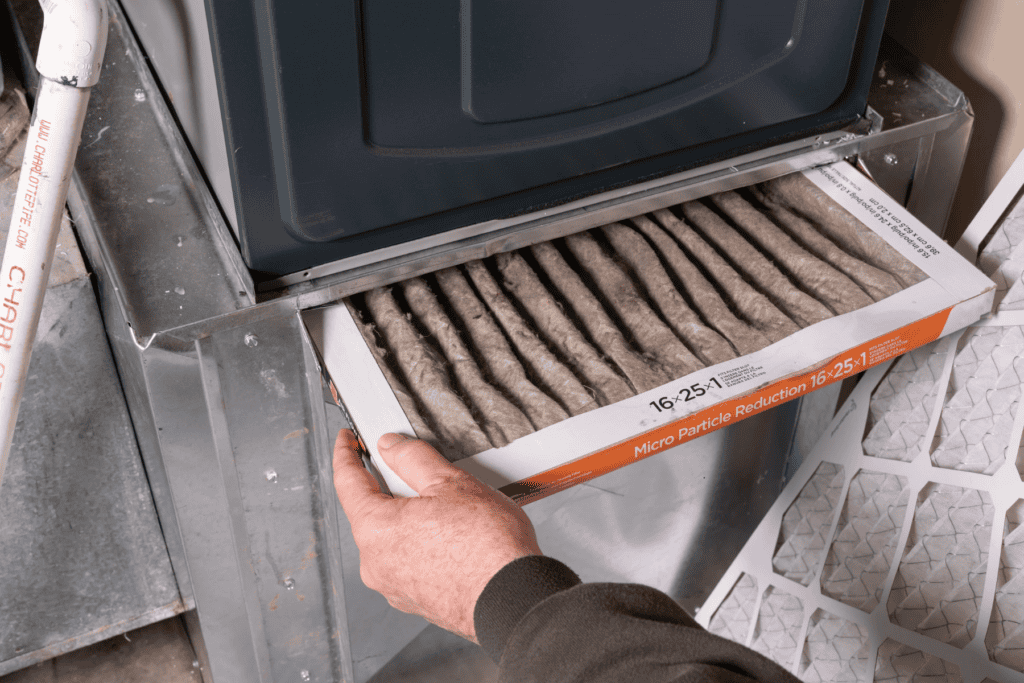
The most frequent cause of premature shutoffs is a dirty or clogged air filter that restricts circulation through the furnace cabinet. When return air cannot move freely, heat builds up rapidly inside the heat exchanger and trips the high-limit switch. This safety mechanism automatically shuts off the burners to prevent dangerous overheating, then repeats the cycle once the parts cool down.
Blocked or closed supply registers and return air grilles can create similar airflow restrictions throughout your living areas. When heavy rugs, closed dampers, or misplaced furniture obstruct these openings, the blower motor cannot push air efficiently. That trapped heat triggers the limit switch, cutting each heating cycle down to just a few minutes.
Dirty Flame Sensor Issues
A flame sensor sits near the burner assembly to verify that gas has ignited safely. Over time, oxidation and airborne dust accumulate on the metal rod, blinding the sensor to the active flame. When a dirty flame sensor cannot detect heat, the control board closes the gas valve, and the furnace shuts off after a few minutes or even seconds after lighting.
Thermostat Misplacement and Calibration Problems
Your thermostat controls when the heating cycle begins and ends based on the air temperature in its immediate vicinity. If the unit is installed near a supply vent, in direct sunlight, or close to a heat-generating appliance, it can quickly register false warmth and command the burners to shut down. Upgrading to a modern smart thermostat and placing it on an interior wall away from drafts helps it read your home’s temperature accurately.
Exhaust Flue Blockages and Ductwork Defects
Modern heating units rely on dedicated flue pipes to vent combustion gases safely away from the living space. When bird nests, leaves, or snow block the exterior flue vent, pressure switches detect the venting resistance and immediately cut power. Similarly, leaky or undersized air duct passages restrict static airflow, creating static pressure imbalances that cause safety limit switches to cycle repeatedly.
An Oversized Furnace
Installing an oversized furnace might sound like a reliable way to guarantee warm rooms, but excess heating capacity actually harms indoor comfort. A heater that is too large blasts intense heat into the living areas and reaches the thermostat target before warmth can circulate evenly. The unit shuts down abruptly, leaving cold exterior rooms, drafty basements, and an unevenly heated home.
Why a Short Cycling Heating System Requires Prompt Attention
A furnace cycling on and off too often places needless stress on the entire system. When your furnace keeps turning on and off, internal components wear out faster, which can lead to untimely breakdowns. Scheduling professional heating and cooling in Philadelphia helps protect your home from sudden midwinter failures while keeping your living spaces comfortable.
Accelerated Equipment Wear and Premature Component Failure
The ignition phase is the most mechanically demanding portion of any heating cycle. Frequent restarts place tremendous thermal strain on the heat exchanger, hot surface igniter, and blower motor assembly. Over time, this constant mechanical strain wears out moving parts and significantly reduces the expected lifespan of your heating equipment.
Uneven Household Temperatures and Higher Energy Bills
Short bursts of warm air fail to circulate heat through distant rooms or upper floors. As a result, you may notice persistent cold drafts and chilly spots throughout the house, even when the furnace runs continuously. Starting a furnace repeatedly requires far more energy than maintaining a continuous, steady burn, which leads to noticeably higher monthly utility bills.
Safe Troubleshooting Steps and Essential Safety Guidance
While severe furnace short cycling requires a trained technician, homeowners can safely do a few initial inspections. Checking basic air delivery components and thermostat settings often eliminates simple causes before you arrange a service call. A methodical walkthrough of your heating system lets you rule out minor airflow obstructions without risking your safety.
Simple Inspections You Can Perform at Home
Before scheduling a service visit, reviewing simple maintenance items can sometimes restore proper airflow and steady heating cycles. Turn off power to the unit at the thermostat or service switch before inspecting external components. Take time to examine each of the following accessible elements around your home:
- Replace a dirty air filter with a clean replacement to restore proper airflow across the heat exchanger.
- Make sure supply vents and return grilles in every room are open and unblocked by furniture, curtains, or area rugs.
- Check that the thermostat isn’t near a heat source, a warm appliance, or direct sunlight.
- Replace thermostat batteries with fresh cells to rule out low-voltage communication disruptions.
If your system resumes steady operation after these basic checks, restricted airflow or a weak battery was likely the main issue. However, if the heating unit continues shutting off prematurely, internal mechanical faults or sensor errors require professional intervention. Continuing to run an interrupted system can cause severe overheating and damage sensitive interior controls.
When to Step Aside for Professional Safety
Furnaces combine high-voltage electricity, natural gas or oil combustion, and complex limit controls that require specialized diagnostic tools to test safely. Never open the furnace cabinet, clean the flame sensor, or try to reset tripped internal limit switches yourself. Tampering with internal wiring or control boards creates severe safety hazards and can void equipment warranties.
Gas leaks present an urgent hazard that demands an immediate, careful response. If you detect the odor of sulfur or rotten eggs anywhere near the equipment or inside your home, leave the building immediately without operating light switches or household appliances. Once safely outside, call your local gas utility or emergency responders to inspect the property.
Repairing vs. Replacing a Short Cycling Furnace
Short cycling usually points to a few distinct mechanical or installation issues. Restricted airflow from dirty filters or blocked supply vents can trap heat inside the cabinet, tripping the high-limit safety switch before the cycle finishes. Dirty or oxidized flame sensors can fail to register ignition, causing the burner to shut off almost immediately after lighting. When the equipment itself is too large for the living space, short cycling occurs because an oversized unit heats the thermostat area too quickly without running long enough to distribute warmth evenly.
Determining whether to service or replace the system depends on the root cause and the overall condition of your equipment. Professional heating repair in Philadelphia can resolve straightforward electrical faults, clean fouled sensors, or replace damaged blower motors on a properly sized system. If chronic cycling stems from improper unit sizing or repeated component breakdowns on an aging model, continuing to patch the equipment offers diminishing returns. In these situations, scheduling a consultation for heating installation can get your home a correctly sized furnace for balanced, dependable heat.
Schedule Dependable Furnace Repair with Sila
If your heating system shuts off after just a few minutes of operation, ignoring the issue will only increase wear on expensive mechanical components. Sila’s licensed technicians have the training and diagnostic tools to locate airflow restrictions, test safety switches, and restore steady warmth to your living space. We provide upfront pricing before any work begins, so you always know what to expect from your service visit.
Do not spend another chilly evening dealing with uneven room temperatures and rapid equipment cycles. Contact Sila today to arrange same-day service and professional heater repair in Philadelphia with an experienced local team you can trust.