

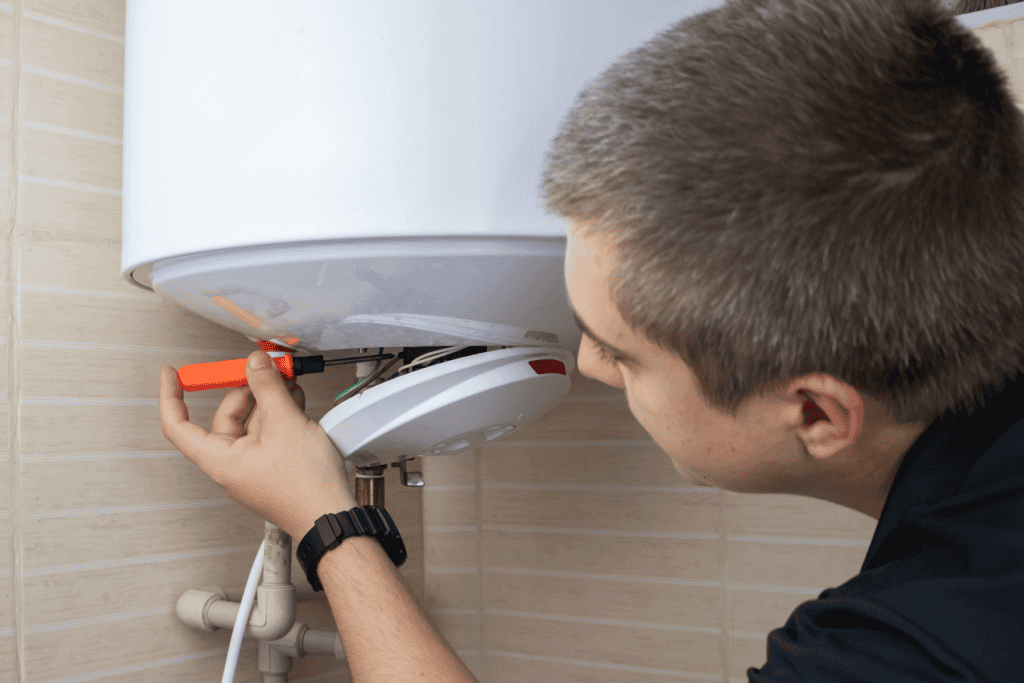
A water heater making noise is usually reacting to sediment, pressure changes, or a part that’s wearing out. Most sounds indicate minor maintenance issues, but some require fast action. A steady hiss near a pressure relief valve, or any noise paired with a fuel odor, demands prompt safety measures. Storage tanks normally operate with minimal sound. As a result, sudden thumping, popping, or whistling should draw your attention.
Recognizing these sounds protects your plumbing system from long-term wear. Hard water speeds up mineral buildup at the bottom of the tank, which is behind many of these sounds. Homeowners can arrange professional water heater repair in Philadelphia to address the cause before it leads to a leak.
Why Is My Water Heater Making Noise?
Most water heater sounds come from one of three things: mineral deposits, heat, or changes in water pressure. Knowing which one you’re dealing with helps you decide whether to monitor the sound or have it checked.
Sediment Buildup
Municipal and well water both carry dissolved minerals, mainly calcium and magnesium. When water heats up, these minerals separate and settle at the bottom of the tank as sediment. This sediment creates an insulating crust across the bottom of a gas tank or around electric heating elements. Water trapped beneath the scale boils into steam bubbles, which pop through the layer and agitate the unit.
Thermal Expansion and Pressure Variance
Water expands as it heats. In a home without a working expansion tank, that extra volume raises system pressure. As pipes expand, they can rub against wall studs and mounting brackets. Partially closed shut-off valves also restrict water flow, creating localized turbulence that echoes through pipes. Routine plumbing maintenance and repairs can confirm that expansion tanks and pressure-reducing valves are working as they should.
Diagnosing Your Unit by Sound
Different equipment noises correspond to specific mechanical issues. Noticing when a sound happens and what it sounds like helps you decide whether it can wait or needs a plumber. Here are the most common sounds and what they usually mean.
Water Heater Making Popping Noise
A water heater making a popping noise is a frequent homeowner issue. The sound resembles popping popcorn inside the tank. It happens when mineral scale builds up on the heat source. Trapped water under the scale superheats into steam. As steam pockets burst through the hard mineral crust, they produce distinct pops.
A light pop early in a heating cycle is not an immediate emergency. However, it indicates significant scale accumulation. Left unaddressed, scale forces burners to run hotter and longer. This thermal stress damages the protective glass lining of steel tanks.
Water Heater Rumbling
As sediment builds up, popping sounds deepen into a low rumble. This vibration can resonate through nearby floors. A heavy sediment layer traps large pockets of water. Boiling steam violently shifts the mineral bed as it escapes.
Rumbling indicates heavy debris accumulation. The excessive heat trapped at the bottom can weaken the tank shell. A professional flush can remove much of the sediment if it hasn’t hardened too much.
Water Heater Making Crackling Noise
Hearing a water heater making a crackling noise is typical on both gas and electric models. On gas units, cold water entering the tank produces surface condensation. This moisture drips onto hot burners, creating a sizzle or crackle. On electric systems, calcified scale coating the upper and lower elements creates crackling as water boils through rough mineral deposits.
Condensation sizzle typically stops once the water reaches operating temperature. In contrast, steady crackling on electric units indicates mineral buildup on the elements. A plumber can test the elements and tell you whether they need cleaning or replacing.
Water Heater Making Knocking Noise
A water heater making a knocking noise can be caused by sediment or connected piping. Sediment shifting during intense boiling creates muffled thumps inside the tank. Conversely, loud metallic bangs occurring when a sink faucet or washing machine shuts off indicate water hammer.
Water hammer occurs when moving water stops abruptly, sending a high-pressure shockwave through the lines. Water hammer arrestors can absorb that shock, and securing loose pipes can reduce the banging. A plumber can tell you which fix your system needs.
Water Heater Making Hissing Noise
A hissing water heater needs immediate inspection. Condensation dripping onto hot metal produces brief, benign hissing. However, persistent hissing may indicate a small tank leak or steam escaping from the temperature-and-pressure (T&P) relief valve.
If you notice water around the base of the tank or dripping from the relief valve’s discharge pipe, keep your distance, since the water can be very hot. If it’s safe, shut off the water heater and call a plumber.
Water Heater Making High-Pitched Noise
A sharp whistle or squeal indicates restricted water flow. Pressurized water screams when forced through an undersized or partially blocked aperture. This often occurs when an inlet shut-off valve is partially closed.
Sometimes the cause is as simple as a valve that wasn’t fully reopened after other plumbing work. Other times, mineral buildup in a fitting or valve narrows the flow, and a plumber can find and clear it.
Normal Sounds from Tankless Units
Tankless systems produce distinct operational sounds. A rhythmic click occurs when the direct spark igniter activates the burner. A low mechanical hum comes from the sealed combustion blower fan or internal circulation pump.
These sounds reflect normal operation. However, loud squealing or rattling indicates scale in the compact copper heat exchanger. Professional descaling clears those narrow passages, and you can request tankless water heater service in Philadelphia when the noise starts.
When Water Heater Sounds Signal an Urgent Problem
Some sounds point to simple maintenance, but others warn of hazardous mechanical failures. Recognizing safety hazards helps you decide when to take immediate protective measures.
Active Leaks and Mechanical Warning Signs
Some water heater problems go beyond normal wear and shouldn’t wait for a routine service visit. These signs can point to a leak, a pressure problem, or trouble with the burner or heating elements, and continuing to run the water heater could make the damage worse. If you notice any of the following, turn off the water heater if it’s safe to do so and call a licensed plumber:
- Continuous discharge from the temperature and pressure relief valve
- Water pooling beneath the tank or leaking from plumbing fittings
- Loud metallic clanging accompanied by irregular water temperatures
- Persistent whistling combined with a sudden loss of home water pressure
- Soot deposits or scorch marks around the burner chamber
The relief valve is a safety device that opens when tank pressure or temperature gets too high, so steady discharge means something needs attention. If safe, switch off the power or gas supply and close the cold water shut-off valve.
Emergency Fuel Gas Precautions
If you smell natural gas or fuel oil around the heater, prioritize immediate life safety. Do not touch light switches, do not use phones indoors, and do not attempt to light pilot flames. Evacuate the home right away and call your gas supplier or emergency services from outside.
Flushing, Repair, or Replacement
A noisy water heater doesn’t always need replacing. If sediment is the cause, a professional flush can remove much of the buildup and quiet the tank, especially if done before the sediment hardens.
For stubborn mineral buildup or complex issues, technicians conduct formal assessments. They check water pressure, test the relief valve, and inspect the burner or heating elements. They can also check the anode rod, which protects the tank from corrosion and wears out over time.
In regions with elevated water hardness, installing dedicated water softener services prevents scale deposits in the first place. If an older tank rumbles despite thorough flushes, a comprehensive plumbing inspection can confirm whether the interior tank lining has degraded. If an older water heater keeps making noise after service, replacement may make more sense. Our guide to choosing the best water heater can help you compare options.
Reliable Water Heater Care in Philadelphia, PA
Ignoring strange sounds from your utility closet can lead to plumbing leaks or a sudden loss of hot water. Homeowners across the region can turn to Sila for comprehensive diagnosis, skilled repairs, and system flushes that keep equipment running quietly. Established in 1989, we bring decades of practical experience to every residential plumbing call.
If your tank rumbles during heating cycles or your tankless unit starts whining, our licensed technicians can find the cause, and we offer same-day service. Contact us today to book an appointment and have your water heater checked.