

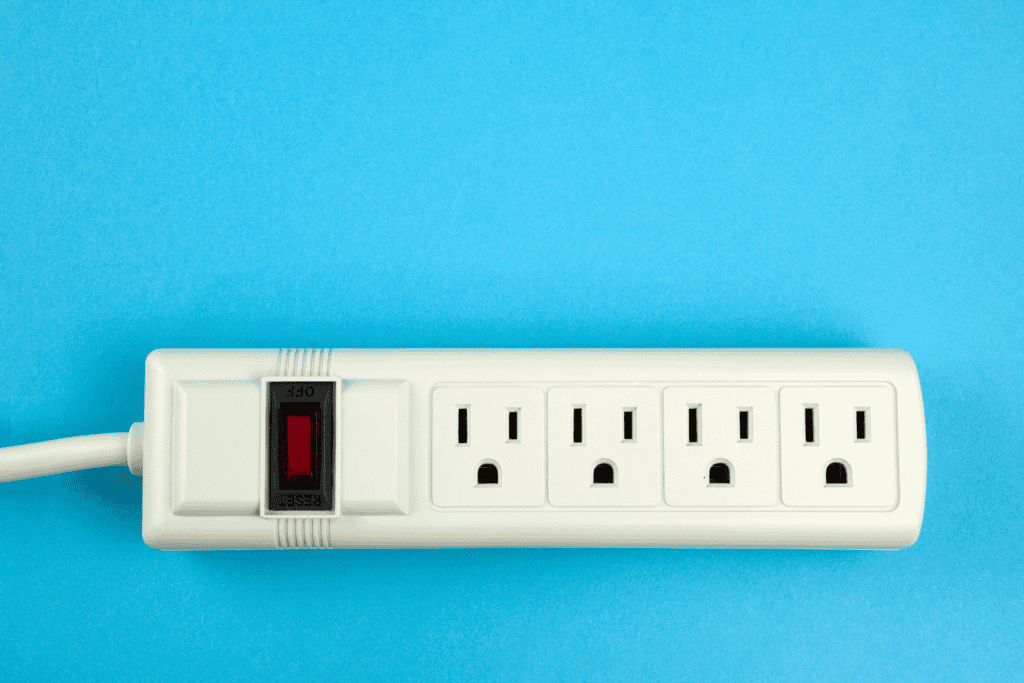
The surge protector vs power strip question comes down to one thing: protection. A power strip simply adds more outlets, while a surge protector adds outlets and also protects plugged-in electronics from voltage spikes. The two can look identical but do very different jobs. Plugging expensive entertainment centers, desktop computers, and smart appliances into an ordinary strip leaves sensitive circuit boards vulnerable to sudden electrical fluctuations. Homeowners who want reliable protection must understand what each device handles and where true defense begins across the home electrical system.
Choosing the right equipment means knowing which devices need extra protection and recognizing when your electrical load demands upgraded wall receptacles or advanced surge protection. Many households across Philadelphia, PA, plug multiple cords into the first extension strip they find in a closet, not realizing standard strips offer no protection against incoming electrical transients. Taking a few moments to inspect your equipment helps prevent accidental overloads, safeguards sensitive microprocessors, and keeps your household wiring safe year-round.
Understanding Power Strips and Surge Suppression
Many homeowners assume that every multi-outlet strip automatically shields their electronics from unexpected electrical damage, but this assumption often leads to ruined devices. Knowing how to tell them apart helps you ensure your electronics have the protection you think they do.
Is a Power Strip a Surge Protector?
To answer directly, is a power strip a surge protector? No, unless the packaging and housing clearly state that the unit includes surge suppression. An ordinary power strip functions as an electrical extension cord with a block of additional receptacles, splitting a single wall socket into several connection points so you can plug in multiple cords in one location. Some power strips include an integrated rocker switch with a circuit breaker designed to trip if you draw too much current through the strip, yet an overload switch only stops continuous overcurrent and offers no defense against sudden voltage spikes.
Because voltage transients happen in tiny fractions of a second, an ordinary overload switch cannot react in time or absorb the excess voltage that destroys digital electronics. In the power strip vs surge protector comparison for your electronics, check that the packaging or casing specifically says it provides surge protection. Plugging a modern television, game console, or laptop charger into a basic power strip gives you extra plug space, but it leaves the sensitive internal components completely exposed to incoming line disturbances.
Difference Between Surge Protector and Power Strip Models
Recognizing the difference between surge protector and power strip models is simple once you know which markings and hardware features to check on the casing. True surge protectors include internal components that divert excess voltage away from plugged-in equipment and safely direct it into the ground wire before it reaches delicate circuitry. Standard strips lack these components entirely, containing only basic copper busbars that route raw current directly into every connected cord.
Before purchasing or plugging in an expansion bar, review these functional and structural distinctions to confirm your equipment receives proper defense:
- Surge protectors use internal sacrificial components to absorb or divert excess voltage, while standard power strips simply split current across multiple outlets without transient filtering.
- Surge suppression devices list an energy absorption rating in joules on their packaging, while conventional power strips list only standard voltage and current capacity.
- Protective suppression strips include illuminated indicator lights that show whether internal surge-defense components remain active, while basic strips feature only an on-off power-switch light.
- Power strips often include a basic thermal overload switch to prevent excessive current draw, but surge protectors clamp sudden electrical spikes before higher voltages reach sensitive cords.
Beyond checking the casing text for an absorption rating, look closely at the status lights on the exterior shell. A reliable surge model features an illuminated LED labeled protected or grounded to confirm that the internal components are operating correctly. If that light turns off or flickers out, the unit has absorbed an excessive burst and functions only as an unprotected power strip until you replace it.
Power Surge Causes, Equipment Lifespan, and Safe Cord Habits
Household electrical systems experience regular fluctuations that steadily stress internal wiring, service panels, and plugged-in devices. Maintaining a safe environment means recognizing the roots of these spikes, tracking device wear, and following safe connection practices in every room.
What Causes Power Surges?
Understanding the causes of power surges helps homeowners realize that dangerous electrical transients can originate both outside and inside the property. External surges frequently occur when lightning strikes nearby distribution equipment or when utility operators switch power grids to manage regional distribution loads. These sudden external spikes carry intense energy that sweeps through overhead service drops, travels directly into residential panels, and moves through connected circuits in a fraction of a second.
Surges can also start inside the home. Large motorized equipment, including central air conditioners, heat pumps, and refrigerator compressors, draws significant electrical demand whenever cycling on and off. That switching can create small, repeated spikes that travel through the home’s circuits and can wear on the electronics in computers, smart appliances, and televisions over time. Homes in Philadelphia with central A/C, heat pumps, and other large appliances see these cycles daily, which is why surge protection matters even without a storm.
How Long Do Surge Protectors Last?
Property owners often ask how long surge protectors last once plugged into active wall receptacles. The internal protective components inside a surge unit wear down gradually as they absorb and divert both minor everyday spikes and sudden transient events. Because these internal parts act as sacrificial shields, a protector that has taken several substantial voltage hits will eventually exhaust its protective capacity and stop deflecting line noise.
Rather than relying on a predetermined calendar schedule, inspect your surge units regularly for signs of wear and age. Replace any unit immediately if its protective indicator light turns off, the casing shows discoloration or heat deformation, or after a known major electrical event, such as a nearby lightning strike. When the protective element fails, the strip will keep delivering household current to your devices, but it will no longer protect those electronics from incoming line anomalies.
Crucial Safety Habits and Daisy-Chaining Power Strips
Safe cord management is critical to prevent electrical fires and keep household circuits within safe operating limits. One habit to avoid is daisy-chaining power strips, which means plugging one strip into another to reach a far corner. Connecting strips in a continuous chain concentrates significant electrical demand onto a single wall receptacle, which can overload the cords and create a fire hazard behind furniture.
High-draw appliances require direct wall connections rather than portable plug-in strips. Space heaters, portable air conditioning units, toaster ovens, and microwave ovens pull heavy sustained current that can melt plastic power strips and overheat internal connections. Inspect your extension strips periodically, and immediately discard any device that feels warm to the touch, smells like hot plastic, or shows bent prongs. Also, buzzing sounds or warm faceplates on wall receptacles indicate an overloaded branch circuit, so contact a professional for targeted electrical repair before continuing to use the outlet.
Whole-Home Protection and Outlet Upgrades
While point-of-use surge strips serve an important purpose behind entertainment centers and office desks, they can’t protect hardwired equipment or stop major electrical spikes from entering your home’s branch wiring. A resilient electrical system requires a multi-layered strategy that stops heavy transients at the service entrance while ensuring each room has enough plug capacity.
The Role of a Whole-House Surge Protector
A whole-house surge protector installs at the main service panel to protect the entire residential electrical system from powerful incoming transients. This specialized hardware captures high-voltage surges from utility grid shifts or storm activity and redirects the energy into the earth grounding electrode before it reaches branch circuits. By filtering energy at the electrical entrance, panel-mounted units protect hardwired appliances that cannot use point-of-use strips, such as water heaters, boilers, furnaces, and major kitchen equipment.
Panel-mounted units work alongside plug-in surge units rather than replacing them entirely. The panel device absorbs the initial large surge, while point-of-use units manage minor residual spikes and internal line noise generated by small motors. Installing panel-level hardware requires work near heavy service conductors and main busbars, so a licensed electrician must complete the installation and follow local safety standards and proper panel grounding.
When Adding Outlets Is Better Than Using Power Strips
Relying on tangled clusters of multi-outlet strips often means a room simply lacks enough permanent receptacles for your modern lifestyle. Older homes were constructed before families utilized multiple computers, charging docks, gaming setups, and audiovisual hubs in every living area. If you find yourself running cords along baseboards or stacking multiple chargers on one receptacle, installing dedicated switches and outlets offers a cleaner, permanent solution that eliminates cord clutter.
Professional installation of wall outlets distributes power evenly across properly sized branch circuits, preventing nuisance trips at the breaker panel. Modern receptacle installations can also include built-in USB ports, tamper-resistant shutters, and dedicated circuits for heavy home-office equipment. Upgrading permanent receptacles eliminates dangerous trip hazards and reduces the constant thermal stress placed on portable extension cords.
Choosing the Right Defense for Your Home
Evaluating a surge protector vs. a power strip comes down to knowing what you are plugging in and understanding the level of protection your electronics need to operate reliably. A standard power strip works well when you just need to plug in a desk lamp, a phone stand, and an alarm clock in an area with limited wall outlets. For computers, audio systems, televisions, and other valuable electronics, a properly rated surge protector is the better choice.
For complete coverage, pair plug-in surge protectors with a whole-home unit at the panel, which also protects hardwired appliances. Panel assessments and outlet additions help prevent hazardous overloads while extending the life of your household devices. Homeowners looking to strengthen their electrical infrastructure can have a licensed electrician check the panel, breakers, and outlets.
Serving area homeowners since 1989, Sila provides dependable electrical solutions that protect residential properties from unexpected grid disturbances and daily circuit wear. Our licensed electricians inspect your main panel, install whole-house surge protection, and add outlets where you need them.
Schedule Professional Electrical Services Today
If you want to upgrade your home’s defense against utility spikes, install permanent wall receptacles, or schedule a panel inspection, our licensed electricians are ready to help. We provide comprehensive electrical services to keep your lighting, appliances, and home comfort equipment running smoothly through every season. Our team handles dedicated circuits, panel installations, and whole-house surge protection, and same-day service is available.
Homeowners in Philadelphia, PA, can count on our team for a clear evaluation and honest recommendations. Contact Sila today through our online service scheduler to book an appointment with our experienced technicians and safeguard your home electronics with proven surge solutions.